TVET Education System Need A Radical Rethink: Complete Guide For 2026
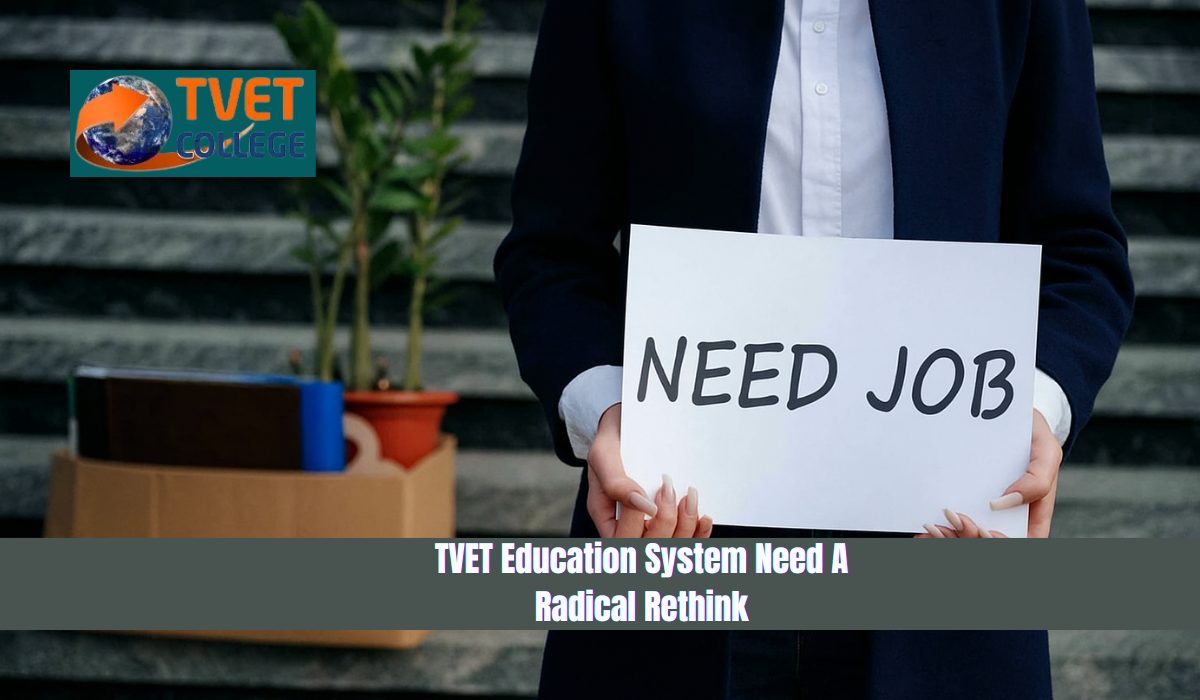
TVET Education System Need A Radical Rethink. June marks Youth Month in South Africa, a time dedicated to reflecting on the sacrifices made by young activists during the 1976 Soweto Uprising. However, it also brings attention to a troubling crisis: youth unemployment. Despite numerous government-led interventions, the Technical and Vocational Education and Training (TVET) sector continues to fall short in preparing young people for the modern workforce.
According to education experts, the TVET education system needs a radical rethink—one that integrates policy reform, inclusive growth, and localized economic alignment.
Youth Unemployment: The Alarming Reality

The Quarterly Labour Force Survey (QLFS) for Q1 shows a grim picture. Between the ages of 15 to 34, youth unemployment increased by 151,000, reaching a total of 4.8 million. At the same time, employment among youth dropped by 153,000, indicating a severe mismatch between education outcomes and job market demands.
| Age Group | Employment Change | Unemployment Change | Total Unemployed |
|---|---|---|---|
| 15-34 | -153,000 | +151,000 | 4.8 million |
This data underscores the urgent need to reimagine the role of TVET colleges and their connection to real-world economic opportunities.
The Current Gaps in TVET Education

Helga Jansen-Daugbjerg, a doctoral candidate at the University of Cape Town, argues that the TVET sector must be repositioned as a central component of the country’s socio-economic framework. Despite being governed nationally by the Department of Higher Education and Training (DHET), TVET colleges remain detached from local economic development plans.
For instance, Cape Town’s booming film industry contributes over R5 billion annually and creates thousands of jobs. Yet, no public TVET college in the region offers courses related to the film sector. This lack of alignment between educational offerings and local job opportunities represents a critical policy failure.
“This is a missed opportunity to link education with employment and to redress historical labour inequalities,” – Helga Jansen-Daugbjerg
Policy Reform: A Key Pillar for Change
A radical rethink of TVET education begins with comprehensive policy integration. Policies must no longer exist in silos. Instead, the DHET, municipal governments, and local businesses must collaborate to align TVET curricula with the skills needs of each region.
| Area of Reform | Recommendation |
|---|---|
| Curriculum Design | Introduce region-specific courses based on local industries |
| Funding Allocation | Improve funding for student mentorship and individual learning plans |
| Private Sector Involvement | Establish public-private partnerships for internships and job placements |
| Infrastructure Investment | Upgrade equipment and facilities to match industry standards |

Redressing Inequality in the Labour Market
The lingering shadow of apartheid is still visible in South Africa’s labour landscape. Despite efforts to deracialise the education system, white professionals dominate high-value sectors, while black youth are often left behind in informal or unstable employment.
Jansen-Daugbjerg calls for a challenge to entrenched perceptions of “white excellence” and “black failure.” This means restructuring TVET education not only as a technical skill provider but as a tool for social transformation.


The Role of Private Sector and Individualised Learning
Jordan Erradu, an education expert and former principal in KwaZulu-Natal, supports the need for individualised learning and greater private sector involvement. According to him, TVET colleges tend to operate on a one-size-fits-all model, failing to address each student’s unique potential.
“Colleges often take in large numbers of students and teach them the same skills, without necessarily zoning in on each student’s potential,” – Jordan Erradu
This is primarily due to funding constraints and outdated instructional models. Erradu suggests that businesses should invest in students still discovering their path, not just top achievers. His experiences show that even students with special needs can excel if given a chance by local employers.
The Missed Economic Opportunities
South Africa’s TVET system must align with real economic drivers. From the digital economy and green energy to tourism and agriculture, each region has unique industries that could benefit from skilled TVET graduates.
Unfortunately, due to bureaucratic lags and lack of flexibility, TVET colleges rarely offer sector specific training that speaks to these localized opportunities.
| Region | Key Local Industry | TVET Courses Available | Gap Identified |
|---|---|---|---|
| Cape Town | Film & Creative Arts | None | No training for film jobs |
| Mpumalanga | Agriculture & Mining | Generic mechanical skills | No crop-specific training |
| Durban | Maritime & Logistics | Limited logistics | No maritime certification |
These gaps emphasize the need to localize curriculum development and engage with municipalities and employers during the design phase.
The Way Forward: Building an Inclusive Future
If South Africa is to reduce youth unemployment and bridge its skills gap, it must invest in a holistic transformation of the TVET sector. This includes:
- Decentralizing curriculum development
- Mandating employer participation in training programs
- Providing individual learning plans
- Leveraging private investment in TVET infrastructure
- Ensuring racial and socio-economic inclusion
This isn’t just about creating jobs it’s about building dignity, purpose, and economic participation for South African youth.
FAQs About TVET education system
What is the main problem with the TVET education system in South Africa?
Ans: The primary issue is the misalignment between TVET courses and local job market needs. Colleges often offer generic training without addressing the specific demands of regional economies, resulting in high unemployment even among qualified graduates.
How can private businesses contribute to improving the TVET sector?
Ans: Private businesses can offer internships, funding, and curriculum input. By investing in young talent including those still developing their skills companies can help shape a workforce that fits their needs and uplift communities.
Why is local economic alignment important for TVET colleges?
Ans: Each region in South Africa has its own economic strengths, such as agriculture, tourism, or film production. Aligning TVET offerings with these industries ensures graduates find jobs faster, boosting both local economies and individual livelihoods.
Conclusion
The TVET education system in South Africa holds immense potential but requires a radical rethink to meet the realities of today’s job market. It must be responsive, inclusive, and localized—offering young people not only training but real, relevant opportunities. Without such a transformation, youth unemployment will continue to rise, and the promise of economic justice will remain out of reach for millions.
Related TVET College Guides
- complete TVET colleges application guide for 2026-2027
- TVET college courses and entry requirements
- contact details for every TVET college