TVET Colleges In South Africa Offer Short Skills Programmes 2026: Complete Guide
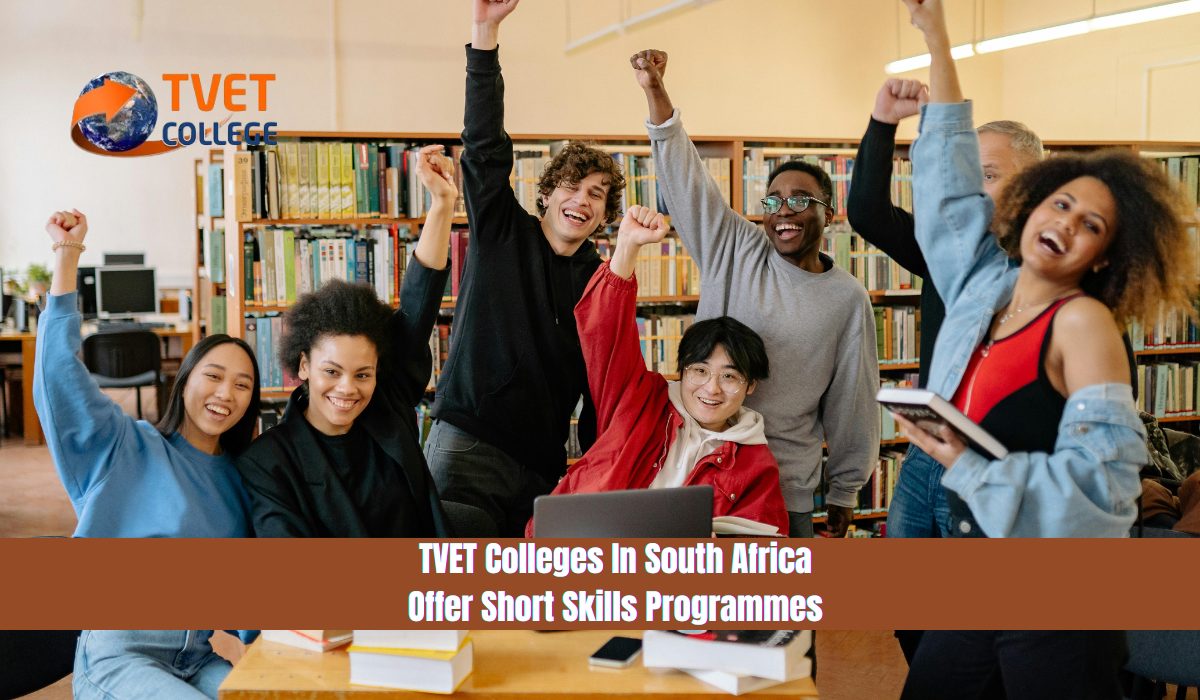
TVET Colleges In South Africa Offer Short Skills Programmes. Technical and Vocational Education and Training (TVET) colleges in South Africa serve as key institutions for upskilling the nation’s youth. These colleges offer a wide range of short skills programmes that provide practical and job-ready skills, enabling individuals to join the workforce in a matter of weeks or months. Designed to close the skills gap in various industries, these programmes are especially relevant in today’s dynamic job market.
In this article, we explore the most in demand short skills courses offered by TVET colleges in South Africa, their durations, costs, and benefits.
What Are TVET Short Skills Programmes?

Short skills programmes are targeted training modules offered at TVET colleges. These programmes focus on specific skills required in sectors like construction, automotive, welding, electrical, and renewable energy. Most of these courses are:
- Practical and hands-on
- Completed within 6 weeks to 6 months
- Industry-relevant
- Affordable or even free in certain cases
These programmes often come with certification upon completion, which boosts employability or enables graduates to start their own businesses.
Popular Short Skills Programmes at TVET Colleges

Below is a detailed overview of the most popular short courses offered at South African TVET colleges:
| Course | Duration | Focus Area | Offered At |
|---|---|---|---|
| Panel Beating | 6 to 7 weeks | Automotive Repair | False Bay TVET College |
| Basic Boilermaking | 3 months | Metal Fabrication & Welding | Ekurhuleni East TVET College |
| Air Conditioning & Refrigeration | 3 to 4 months | HVAC Maintenance | Ekurhuleni East TVET College |
| Arc and Gas Welding Assistant | 6 to 8 weeks | Entry-Level Welding Skills | Ekurhuleni East TVET College |
| Automotive Servicing Skills | 3 months | Vehicle Maintenance | Ekurhuleni East TVET College |
| Community House Building | 3 to 6 months | Construction Skills | Ekurhuleni East TVET College |
| Solar Water Heater Installation | 3 to 4 months | Renewable Energy | Ekurhuleni East TVET College |
| Basic Electrical Skills | 3 months | Electrical Installations | Ekurhuleni East TVET College |
Detailed Course Overviews
1. Panel Beating
- Duration: 6 to 7 Weeks
- Offered by: False Bay TVET College
- Focus: Repairing vehicle bodies, welding, surface finishing, and panel replacement
- Cost: R6,000 to R8,000 (bursaries may be available)
2. Basic Boilermaking
- Duration: 3 Months
- Offered by: Ekurhuleni East TVET College
- Focus: Welding techniques, technical drawings, fabrication of metal structures
3. Basic Air Conditioning and Refrigeration Maintenance
- Duration: 3 to 4 Months
- Offered by: Ekurhuleni East TVET College
- Focus: Installation and maintenance of commercial and domestic AC and refrigeration units
4. Arc and Gas Welding Assistant
- Duration: 6 to 8 Weeks
- Offered by: Ekurhuleni East TVET College
- Focus: Arc and gas welding basics, safety standards, troubleshooting
5. Automotive Servicing Skills
- Duration: 3 Months
- Offered by: Ekurhuleni East TVET College
- Focus: Engine diagnostics, brake systems, electrical repair, vehicle servicing
6. Community House Building Skills
- Duration: 3 to 6 Months
- Offered by: Ekurhuleni East TVET College
- Focus: Floor installation, plumbing, roofing, tiling, glazing
7. Solar Water Heater Installation and Maintenance
- Duration: 3 to 4 Months
- Offered by: Ekurhuleni East TVET College
- Focus: Installing and maintaining solar water heating systems, safety protocols
8. Basic Electrical Skills
- Duration: 3 Months
- Offered by: Ekurhuleni East TVET College
- Focus: Wiring, circuit diagrams, safety, and maintenance
Other Short Learning Programmes (Non-Accredited)
Apart from accredited skills training, TVET colleges also provide non-accredited short courses that enhance personal and professional development. These include:
- Barista Skills
- Project Planning
- HIV/AIDS Counselling
- Psychology of Mentorship
- SMME Management
- Environmental Law and Management
- Creative Writing

These programmes are often affiliated with institutions like UNISA or supported by private partnerships.
Benefits of TVET Short Skills Programmes
1. Practical and Hands-On Learning
All programmes emphasize practical skills that directly relate to job roles, enhancing real-world readiness.
2. Fast-Track Entry into the Workforce
Most courses take under 6 months, allowing students to join the workforce quickly or upgrade their existing skillset.


3. Affordable or Free Learning
TVET colleges keep education affordable. Institutions like Central Johannesburg and Ekurhuleni East offer free short skills courses via the National Skills Fund (NSF).
4. Improved Employability
Certifications boost resumes, and many colleges also assist with job placement, internships, or learnerships.
5. Support for Entrepreneurship
Courses such as automotive repair or solar installation provide the foundational skills needed to launch small businesses.
Free Short Courses Funded by Government
Many free TVET short courses are funded by the government and target unemployed youth or individuals from disadvantaged communities. To qualify, applicants must:
- Be a South African citizen
- Be between 18-35 years old
- Provide proof of residence and unemployment status
These free courses include areas like welding, electrical work, plumbing, and business development.
FAQs About TVET short skills programmes in South Africa
Are TVET short courses accredited?
Ans: Most are accredited and come with certification, while others are non-accredited but still valuable for skill development.
Can I get funding or bursaries for these programmes?
Ans: Yes, many colleges offer bursaries, and government funding is available through the National Skills Fund.
Where can I apply for short skills programmes?
Ans: Applications can be made directly through the TVET college websites or by visiting the campuses in person.
Conclusion
If you’re looking for a fast, affordable, and practical way to gain employment or change careers, TVET short skills programmes in South Africa are the ideal solution. With their hands-on training, quick course durations, and strong links to industry, these programmes provide a reliable path to employment and self-sufficiency.
Related TVET College Guides
- complete TVET colleges application guide for 2026-2027
- TVET college courses and entry requirements
- contact details for every TVET college